
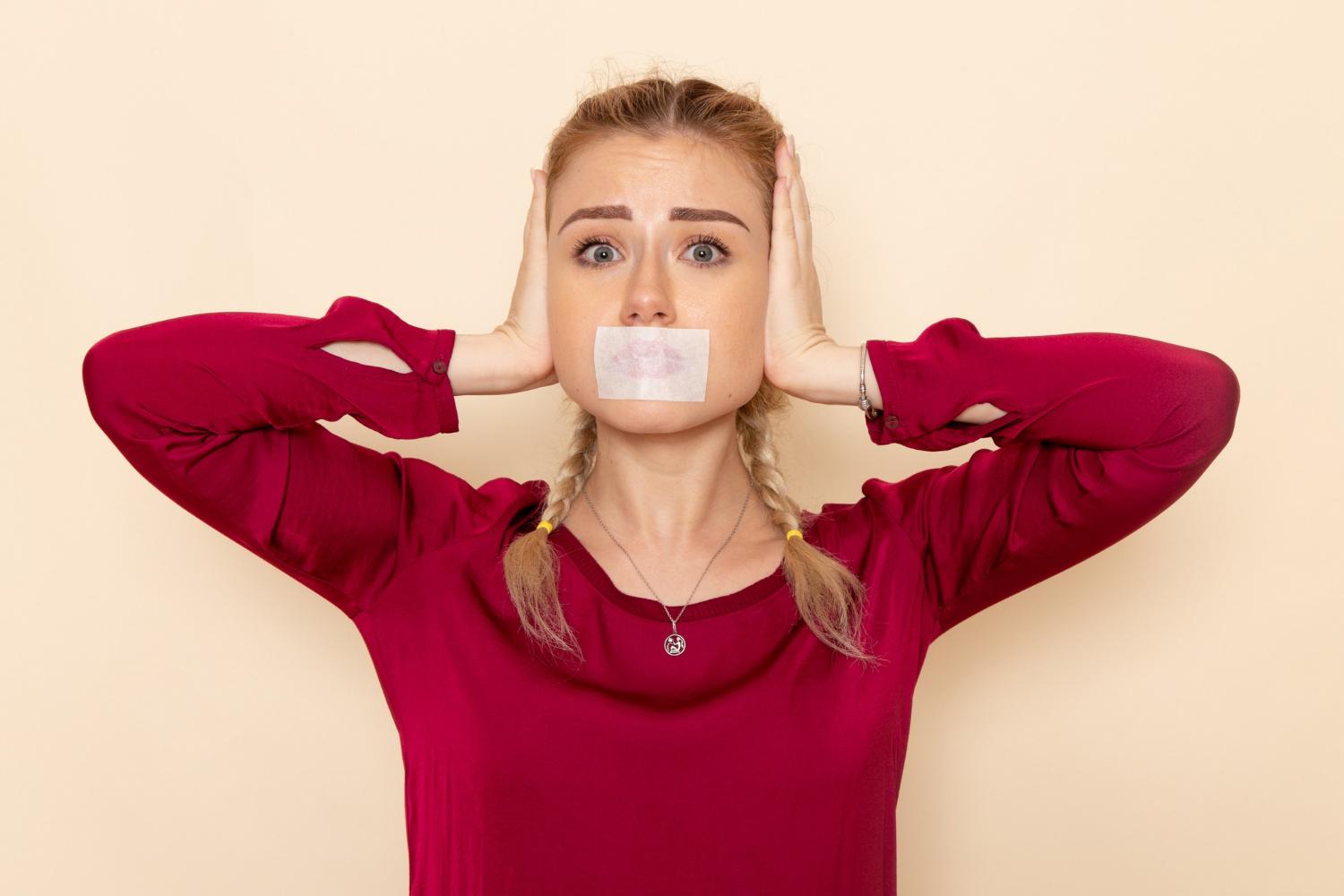

If you’ve been waking up with a dry mouth, feeling groggy despite a full night’s sleep, or driving your partner mad with snoring, there’s a good chance how you breathe at night is playing a big role. Breathable mouth tape has become one of those simple overnight fixes that more and more people are quietly adding to their routine and wondering why they didn’t try it sooner. If you’re ready to make the switch, you’ll find breathable mouth tape for sale in a range of options designed to suit different skin types and comfort preferences.
But before you grab whatever comes up first in a search, it’s worth understanding what actually makes a good one.
This is the part most people skip over and then regret.
Plenty of people have tried sticking regular tape over their lips and had a miserable experience. Household tape, masking tape, even some cheaper options sold as mouth tape, none of these are made for your face. They trap moisture against your skin, irritate it with repeated use, and if your nose gets blocked during the night for any reason, you’re in a genuinely uncomfortable situation.
Proper breathable mouth tape is made from porous materials like cotton, bamboo silk, or medical grade fabric. These let tiny amounts of air and moisture pass through the material itself. Your skin stays comfortable even with nightly use, and if your nose does get a little blocked you’re not completely cut off.
That porosity is what separates something actually useful from something that’s just going to cause problems. It’s the first thing to check when you’re looking at any product.
Your nose is genuinely better at breathing than your mouth. It filters the air, warms it up, adds moisture before it reaches your lungs, and produces nitric oxide which helps your body absorb oxygen more efficiently. Your mouth does none of that. It’s a backup system, not the main one.
When you spend the night breathing through your mouth, your throat and mouth dry out completely. The soft tissue at the back of your throat vibrates more, which is what snoring is. You wake up with that unpleasant dry sticky feeling, bad breath, and a grogginess that coffee barely touches.
Mouth tape just keeps your lips gently closed so your body defaults to nasal breathing the way it was always supposed to.
The most immediate thing is waking up without a dry mouth. For people who’ve dealt with that every single morning for years it feels almost strange the first time it doesn’t happen.
Snoring tends to drop off too, often pretty quickly. When air is moving through the nose instead of rushing through the mouth and vibrating throat tissue, things get a lot quieter. Partners tend to be the first ones to notice this.
People also talk about sleeping more deeply, waking up feeling like they actually rested rather than just lying still for eight hours. Some report fewer morning headaches. Others notice their breath is fresher and their mouth generally feels healthier over time, which makes sense because saliva does a lot of protective work in your mouth overnight and mouth breathing dries all of that up.
Material is the starting point. Cotton, organic bamboo, and medical grade fabrics are what you want. If a product doesn’t mention breathability or lists synthetic materials without any detail, move on.
The adhesive matters just as much as the material. A gentle hypoallergenic formula will hold through the night but peel away without drama in the morning. Anything with a strong aggressive adhesive is going to irritate your skin over time, especially around the lips where skin is thinner and more sensitive.
Design is worth thinking about too. Simple strips work well for most people. If you’re newer to this or feel a bit nervous about having your mouth covered, look for a tape with a small slit or central opening. It allows a tiny bit of direct airflow through the tape itself which makes the whole experience feel much less restrictive.
Size matters in a pretty practical way. Too small and it won’t stay put through the night. Too large and it starts covering skin it shouldn’t. Look for something sized sensibly for adult lips.
For most healthy adults this is a low risk thing to try. But there are some situations where it’s genuinely not appropriate.
If you have sleep apnea, particularly untreated obstructive sleep apnea, please don’t try mouth taping without speaking to a doctor first. Covering your mouth when there’s already a breathing obstruction happening in your airway can make things worse not better.
If your nose is congested right now from a cold, hay fever, or anything else, wait until it clears up. You need to be able to breathe freely through your nose before you tape your mouth.
Anyone with a heart or respiratory condition should check with their doctor before adding anything new to their sleep routine. Same goes if you have a skin condition around your mouth that might react to adhesive.
And if you’re a heavy snorer who wakes up exhausted regardless of how long you sleep, get that checked out before trying anything like this. That pattern is a common sign of sleep apnea and tape is not the answer for that.
Try it while you’re awake first. Stick a piece on and sit with it for ten or fifteen minutes. See how your skin feels and how you feel about having it on. That small step takes a lot of the anxiety out of wearing it to sleep.
Make sure your nose is clear before you start. Don’t try it on a night when you’re even slightly congested.
Clean and dry skin is important. Lip balm or any moisturiser around your mouth will stop it sticking properly. Apply the tape before your skincare routine or at least after everything has fully absorbed.
Morning removal, go slow. A little warm water along the edges first and peel gently from one side. Don’t rush it.
Give it more than one night before you decide anything. The first night is always the strangest and most people stop noticing it entirely by night three or four.
Your body was built to breathe through your nose. Most of us have just quietly drifted away from that during sleep without really knowing it. Breathable mouth tape is a gentle way of getting back to it without medication, without gadgets, without anything complicated.
Pick something made from proper breathable material with a skin-safe adhesive, ease into it, and give it a fair go. Most people are genuinely surprised by how much of a difference something this small actually makes.


Comments are off for this post.